
Honoring Heritage, Enhancing Ministry: Partnering with a Church Renovation Architect
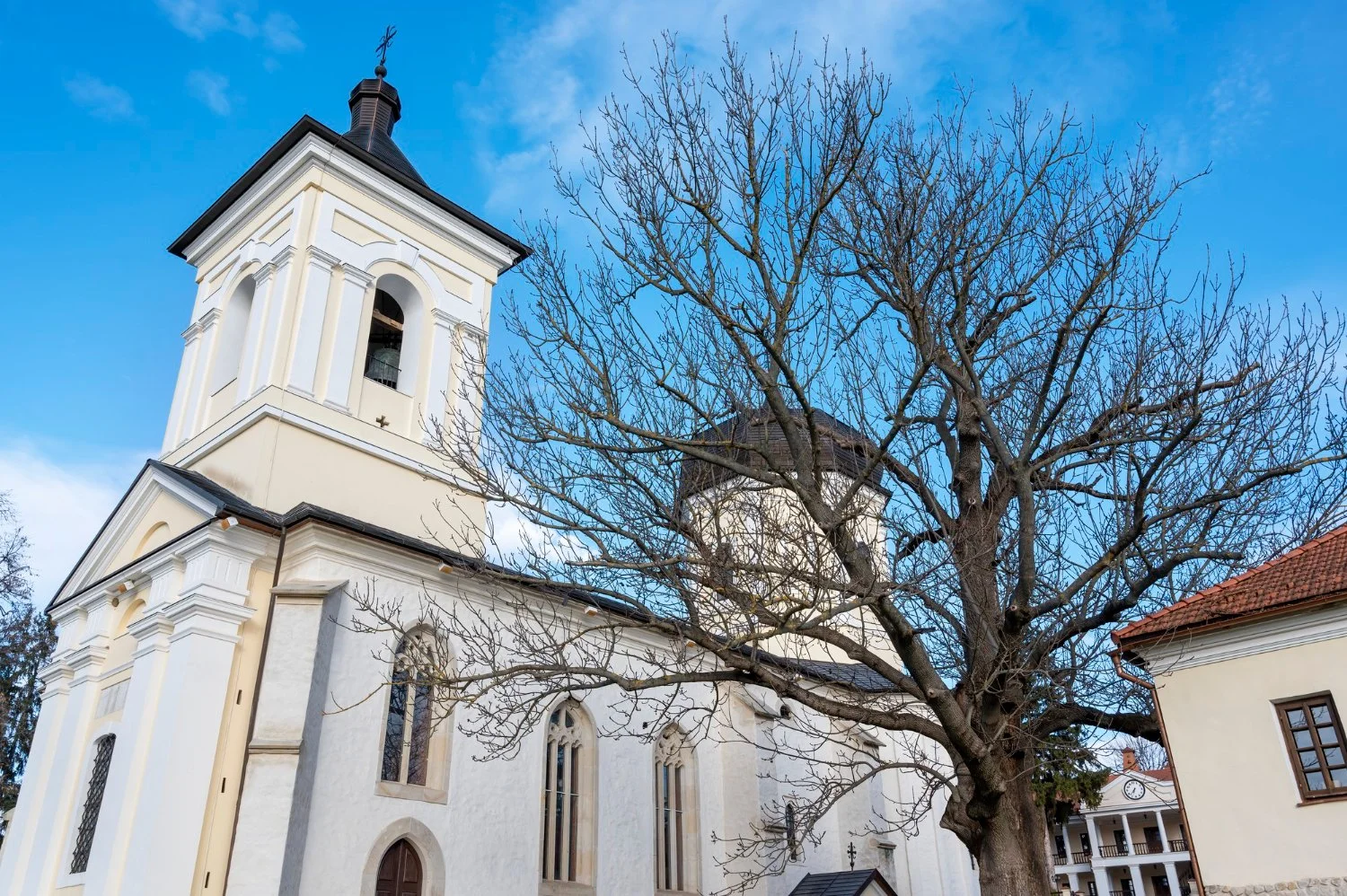
Problem: As ministries evolve, older church facilities often present a challenging paradox. While your building may hold immense historical significance, sentimental value, and deep architectural heritage, its outdated physical layout, deferred maintenance, and aging utility systems can severely restrict modern worship styles and fellowship needs.
Agitate: Trying to address these deficiencies without specialized guidance frequently backfires. Modifying a load-bearing sanctuary wall, updating aging mechanical components, or retrofitting modern audio-visual technology into historic masonry can reveal hidden structural vulnerabilities. Without an expert assessment, a well-meaning facility update can quickly trigger cascading code compliance failures, over-budget structural remediation, or permanent damage to the aesthetic charm that your congregation loves.
Solution: Retaining a specialized church renovation architect ensures that your facility is updated safely, legally, and beautifully. At WD Architecture, we strike a precise balance between honoring your congregation’s rich architectural history and integrating modern structural solutions. From optimizing the sanctuary acoustics to upgrading multi-generational classrooms and structural envelopes, we carefully guide your building committee through a seamless renewal process.
Key Milestones in Church Renovation Design
- Historical Integration: Blending modern structural elements with your church's legacy architecture.
- Acoustic & Tech Retrofitting: Concealing advanced sound, lighting, and livestream systems into existing frameworks.
- ADA & Code Alignment: Bringing aging stairs, entryways, and restrooms into full modern accessibility compliance.
- Facility Assessment: Evaluating structural integrity and hidden systems before final design stages begin.
The Adaptive Process of Sanctuary Renewal
Renovating a sacred environment requires a drastically different approach than a standard commercial build. A seasoned church renovation architect prioritizes preservation alongside modernization. This process often includes adapting traditional layouts—such as removing fixed wooden seating or widening chancel platforms—to accommodate dynamic modern worship bands and technology. By updating sightlines and interior finishes while retaining historic stained glass, natural wood beams, or specific symbolic elements, we ensure the renewed space still feels deeply familiar yet ready for future growth.
Navigating Hidden Infrastructure and Accessibility Demands
The most significant challenges of a remodeling project are often invisible to the eye. Older facilities frequently suffer from inadequate electrical panels, inefficient HVAC routing, and lack of proper fire separation zones. Furthermore, aging facilities must be thoughtfully redesigned to meet modern ADA (Americans with Disabilities Act) accessibility regulations. We design integrated ramp solutions, widen historical entryways, and reconfigure restroom facilities to ensure that every generation of your congregation can navigate the building comfortably and with full dignity.
Phased Master Planning to Protect Ministry Budgets
One major advantage of collaborating with a dedicated professional is the ability to phase your renewal project. We understand that funding is heavily tied to stewardship and capital campaigns. A strategic design phase allows your leadership team to prioritize the most critical upgrades first—such as urgent roof repairs or lobby hospitality additions—while designing a comprehensive operational blueprint that can be deployed systematically over several years as financial resources mature.
Revitalize Your Church Home Sustainably
Our team has the structural expertise and care needed to transform your historic building into a high-utility asset for modern ministry.
WD Architecture
Friendswood, Texas
Frequently Asked Questions
How does a church renovation architect determine structural viability?
We initiate the process with an intensive facility evaluation. This includes reviewing original construction records, analyzing foundation settling patterns, and partnering with structural engineers to confirm that your existing framing can handle new loads, balcony extensions, or wall reconfigurations safely.
Can we integrate a modern sound system without ruining our church’s classic aesthetic?
Absolutely. Modern acoustic engineering allows for specialized speaker placement, custom-stained acoustic panels, and hidden line arrays that blend into existing millwork, enhancing clarity without altering the historic character of the sanctuary.
What are the primary cost drivers in a church remodeling project?
Unforeseen hazardous material remediation (such as old insulation or paint), updating antiquated electrical setups to support modern digital infrastructure, and reworking foundation framing for ADA ramps are typically the most significant variable costs.
Is it possible to continue holding services during construction?
Yes. By formulating a detailed phased construction strategy, we can design the workflow so sections of the building (like the fellowship hall or gymnasium) can serve as temporary worship areas while the primary sanctuary undergoes physical transformation.
Renewing for the Future | WD Architecture | (979) 219-8120
