
Modern Faith Spaces: Emerging Church Architecture Trends in Texas
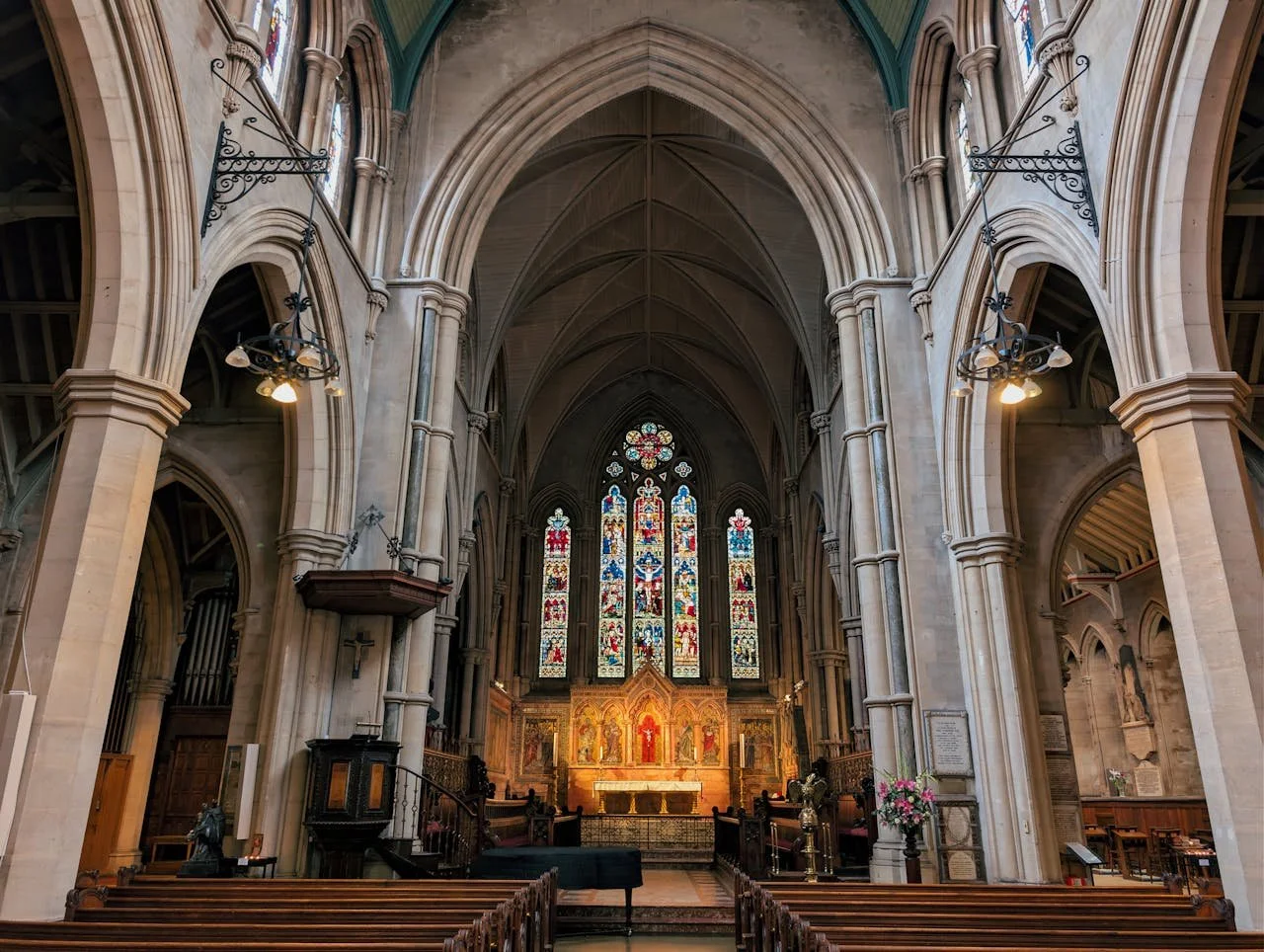
Problem: Many congregations across the state are finding that their current facilities no longer align with the way they serve their communities. Traditional layouts often feature rigid seating and dark sanctuaries that can feel uninviting to younger generations or functionally restricted for modern ministry needs.
Agitate: Architecture that feels "stuck in the past" can create an invisible barrier between a church and its neighbors. If your building is difficult to navigate, lacks natural light, or feels like a "Sunday-only" facility, it may be hindering your ability to connect with a fast-moving, tech-savvy Texas population. Failing to adapt to evolving design standards often results in underutilized square footage and high maintenance costs for spaces that don't truly serve your mission.
Solution: Embracing current church architecture trends in Texas allows ministry leaders to transform their buildings into vibrant, multi-functional hubs of activity. At WD Architecture, we stay at the forefront of these shifts, helping churches in Friendswood and beyond implement designs that prioritize hospitality, flexibility, and technological excellence. Modern architecture is about removing barriers and creating environments where community happens naturally.
Key Takeaways for Modern Ministry Design
- The "Third Space" Concept: Moving beyond the sanctuary to create expansive, café-style lobbies for fellowship.
- Radical Flexibility: Designing multi-purpose rooms that transition seamlessly from worship to community events.
- Biophilic Design: Integrating natural light and organic materials to foster a sense of peace and welcome.
- Invisible Technology: Immersive audio-visual systems that enhance the message without cluttering the aesthetic.
The Rise of the "Third Space" Lobby
One of the most significant church architecture trends in Texas is the evolution of the lobby. No longer just a foyer for coat racks, the modern lobby is being designed as a "Third Space"—a bridge between the home and the sanctuary. By incorporating coffee bars, communal tables, and soft seating, churches are encouraging their members to arrive early and stay late. This design shift acknowledges that fellowship is just as important as the service itself. In Texas, where community identity is strong, these expansive lobbies serve as local town squares where neighbors can connect in a relaxed, non-threatening environment.
Flexible Seating and Multi-Purpose Sanctuaries
The era of fixed wooden pews is gradually giving way to flexible seating arrangements. This trend is driven by the need for stewardship and versatility. A sanctuary equipped with high-quality, movable seating can be reconfigured for round-table discussions, youth concerts, or community banquets. This flexibility ensures that the largest and most expensive room in the building is utilized throughout the week rather than sitting dormant. Furthermore, many Texas churches are moving toward "flat-floor" designs in their secondary worship spaces, allowing the room to function as a gymnasium, a training center, or a banquet hall with minimal effort.
Light, Transparency, and Community Connection
Another prominent trend is the move toward transparency. Historically, sanctuaries were designed as insular, windowless boxes to focus attention inward. Modern church architecture trends in Texas are flipping this script. By using glass curtain walls and large windows, churches are literally showing the community what is happening inside. This "open door" aesthetic reduces the intimidation factor for visitors and floods the interior with natural light, which has been shown to improve mood and engagement. At WD Architecture, we focus on balancing this transparency with the need for privacy and focus, ensuring the sanctuary remains a sacred space while feeling connected to the world outside.
Integrating Technology into the Fabric of Design
As ministry becomes increasingly digital, technology is no longer an "add-on"—it is a fundamental building block of the architecture. This includes designing for high-quality livestreaming, integrated LED walls that replace traditional projectors, and acoustic environments that accommodate both high-energy modern worship and quiet liturgical moments. The trend in Texas is toward "invisible tech," where wires, speakers, and projectors are hidden within the architectural details, allowing the focus to remain on the worship experience rather than the equipment.
Lead the Trend with WD Architecture
Is your building keeping up with your vision? Contact us today to discuss how the latest architectural trends can revitalize your ministry and your community impact.
WD Architecture
Friendswood, Texas
Frequently Asked Questions
Are modern church designs more expensive to build?
Not necessarily. While some modern materials carry a premium, the focus on multi-functional spaces actually saves money over time. By building fewer rooms that do more work, you reduce the overall footprint and long-term utility costs of the facility.
How do we integrate modern trends into an older, traditional building?
This is a common challenge for church architecture trends in Texas. We often recommend a "phased modernization," starting with high-impact areas like the lobby or coffee bar to immediately shift the culture of the space while maintaining the traditional sanctuary for a later phase.
What role does sustainability play in Texas church design?
Sustainability is a major trend, particularly regarding energy efficiency. High-performance glass, solar-ready roofs, and smart HVAC systems are becoming standard as churches seek to redirect funds from utility bills toward actual ministry programs.
Why is biophilic design becoming so popular in churches?
Biophilic design—incorporating plants, natural wood, and water elements—resonates with the human desire for peace. In a busy, digital world, people come to church seeking a "breath of fresh air," and these natural elements reinforce that sense of sanctuary.
Innovation Rooted in Tradition | WD Architecture | (979) 219-8120
